July 25, 2026
Auto body repairs are a crucial aspect of vehicle maintenance, ensuring both the aesthetic appeal, longevity, and structural integrity of a car or truck. Damages can arise from a variety of sources, including collisions, environmental factors, or regular wear and tear. Understanding these restoration processes can greatly benefit vehicle owners, equipping them with the right knowledge to maintain their investment. Professional auto body repair preserves the long-term value of the vehicle's bodywork over time.
Maintaining a vehicle in top condition requires addressing damage quickly to prevent structural degradation. Dedicated technicians use specialized equipment to assess structural issues and cosmetic flaws, ensuring every restoration meets strict standards. By relying on professional care, drivers can enjoy peace of mind knowing their investment is well protected. Routine upkeep keeps automobiles looking pristine and performing reliably on the road throughout its lifespan. Consistent maintenance routines further prevent minor surface vulnerabilities from turning into major issues.
Assessing Vehicle Surface Damage
Assessing the extent of damage in minor dents is the first step in any restoration process. Technicians typically evaluate the size, depth, and location of the dents to determine the best approach. An accurate assessment assists in estimating the cost and time required, providing vehicle owners with a clear understanding of all their available restoration options. This initial check prevents any surprises from occurring down the road.
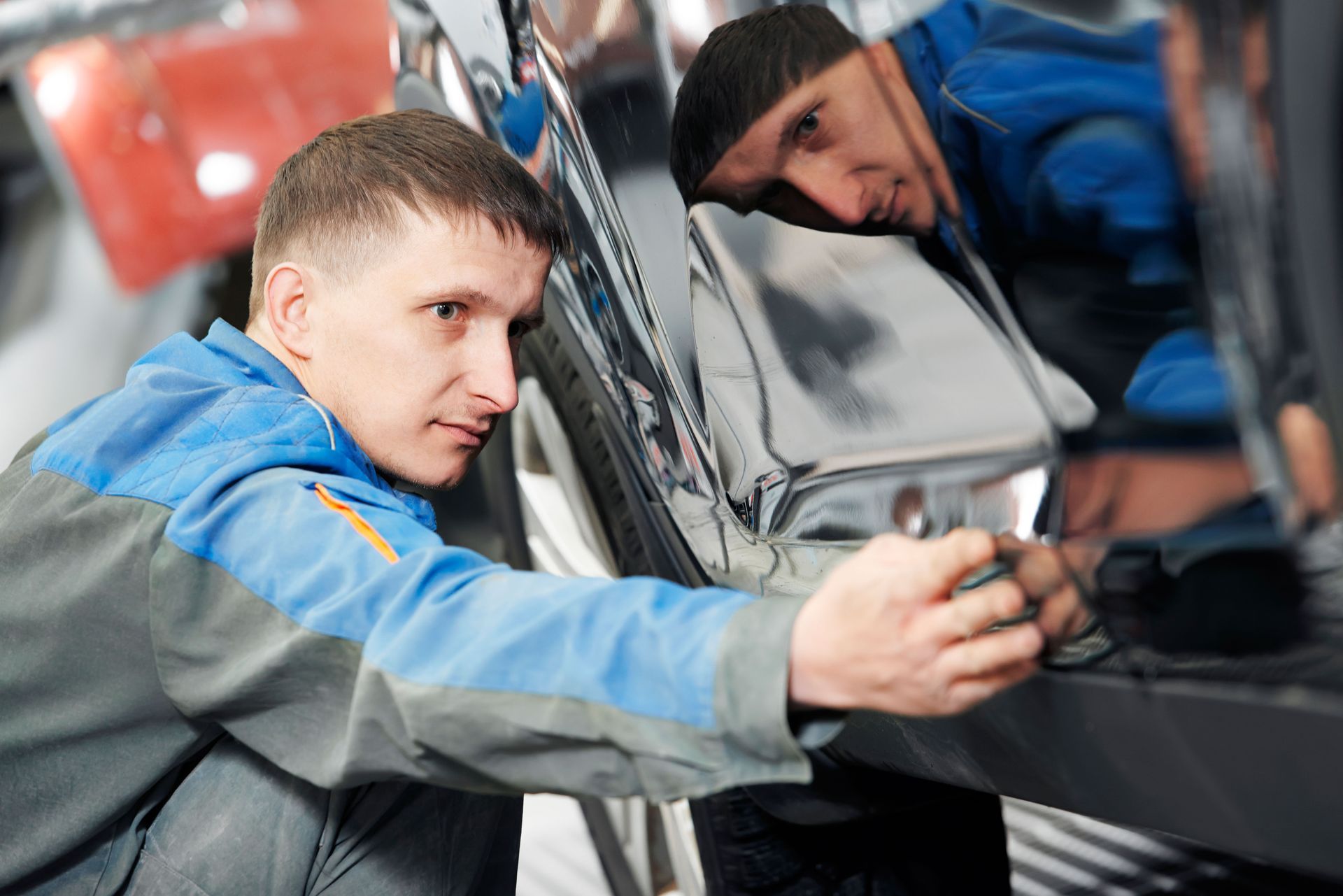
A detailed assessment often involves both visual inspection and tactile evaluation to discern irregularities in the vehicle's body panels. In some instances, specialized light reflection tools highlight tiny imperfections. This step ensures that no detail is overlooked, leading to a highly satisfactory outcome. Clear communication during this phase sets realistic expectations and ensures a smooth restoration journey.
Restoring Vehicle Panel Dents
Paintless Dent Repair is a popular technique used in the restoration of minor dents without the need for repainting. This method is ideal for shallow dents where the paint surface remains intact, such as those caused by severe hail. Specialized tools gently massage the metal back into its original form without using paint or fillers, preserving the car's initial finish.
Technicians performing this method require a strong eye for detail and manual dexterity. They work from behind the panels to ease out dents with extreme precision. This technique is highly valued for its efficiency, and modern auto body repair applications frequently rely on it to complete quick, high-quality dent restorations that save both time and money for the owner.
Applying Vehicle Repair Methods
Traditional dent repair involves thorough processes including sanding, filling, and repainting. This method is essential when the metal has been deeply creased or when the paint is broken. Repairs begin with sanding down the affected area followed by filling with specialized compounds to fully restore the panel's original shape. This ensures the foundational layer is completely flat.
Once the filler hardens, technicians smooth and contour the area to match original lines. The panel is prepped and painted, ensuring a seamless blend with surrounding panels. Traditional auto body repair remains highly relevant for severe structural damage, ensuring the vehicle's lasting integrity, aerodynamic performance, and passenger safety over its remaining lifespan.
Choosing Vehicle Technicians
Selecting the right technician for automotive services is crucial for obtaining high-quality results. A qualified professional possesses certifications from reputable automotive training institutions and adheres to strict standards. Experience in different repair techniques is an indicator of competence. Routine auto body repair tasks should always be handled by certified teams who understand contemporary engineering.
When choosing a service provider, visiting the shop and speaking directly with staff can be helpful. This offers insight into their customer service approach and facility standards. Reputable shops provide clear communication and detailed estimates throughout the process, ensuring a smooth, highly positive, and entirely stress-free experience for every car owner.
Analyzing Vehicle Scratch Depths
Scratches on a vehicle's surface range from superficial marks to deep gouges that affect underlying metal. Surface scratches typically impact only the clear coat, while deeper scratches penetrate the paint layer or damage the primer. Understanding the depth of the scratch is essential in determining the correct correction process to safely apply.
Leaving scratches unaddressed can lead to bigger issues over time, especially if protective layers are compromised. Deeper scratches invite rust and corrosion, further damaging the vehicle's body structure. Timely auto body repair keeps these minor cosmetic issues from turning into major, expensive structural problems that could compromise safety and overall vehicle value.
Matching Vehicle Paint Colors
Paint matching is a critical step in restoring surface scratches and paint damage, requiring absolute precision. Modern facilities rely on computerized color-matching systems that use manufacturer codes to replicate the exact shade. This technology accounts for paint fading, ensuring a seamless blend across repaired areas and original surfaces without leaving visible boundaries.
Beyond technological solutions, technicians employ blending techniques to create a uniform look across body panels. This involves gradually feathering new paint into the existing finish to smooth any visible transitions. This precise color-matching standard is essential for achieving a successful auto body repair outcome that restores the car to its original showroom beauty.
Coating Vehicle Shield Layers
Applying a clear coat is the final step in the paint process, serving to protect the colored paint layer underneath. This addition enhances gloss and depth for a beautiful finish while insulating the paint from harmful solar UV rays. Clear coats ensure the long-term durability and vibrancy of the new finish against rain and wind.
Technicians apply clear coats in controlled environments to prevent dust and pollutants from ruining the finish. Multiple thin layers might be applied depending on the vehicle's original coat. This meticulous protective application yields a beautiful, high-gloss shine that replicates original factory conditions and keeps the paint protected for many years to come.
Preventing Vehicle Body Damage
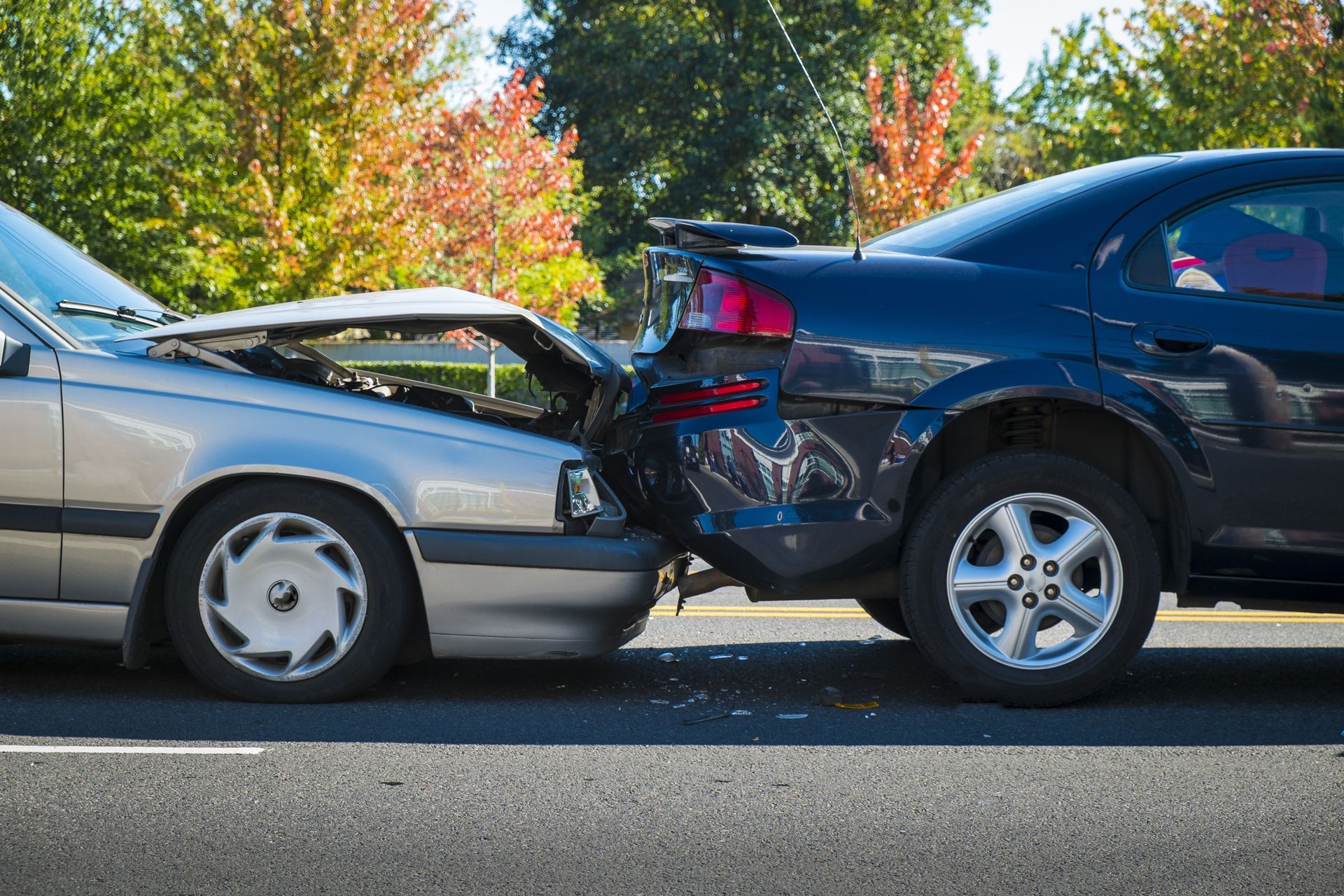
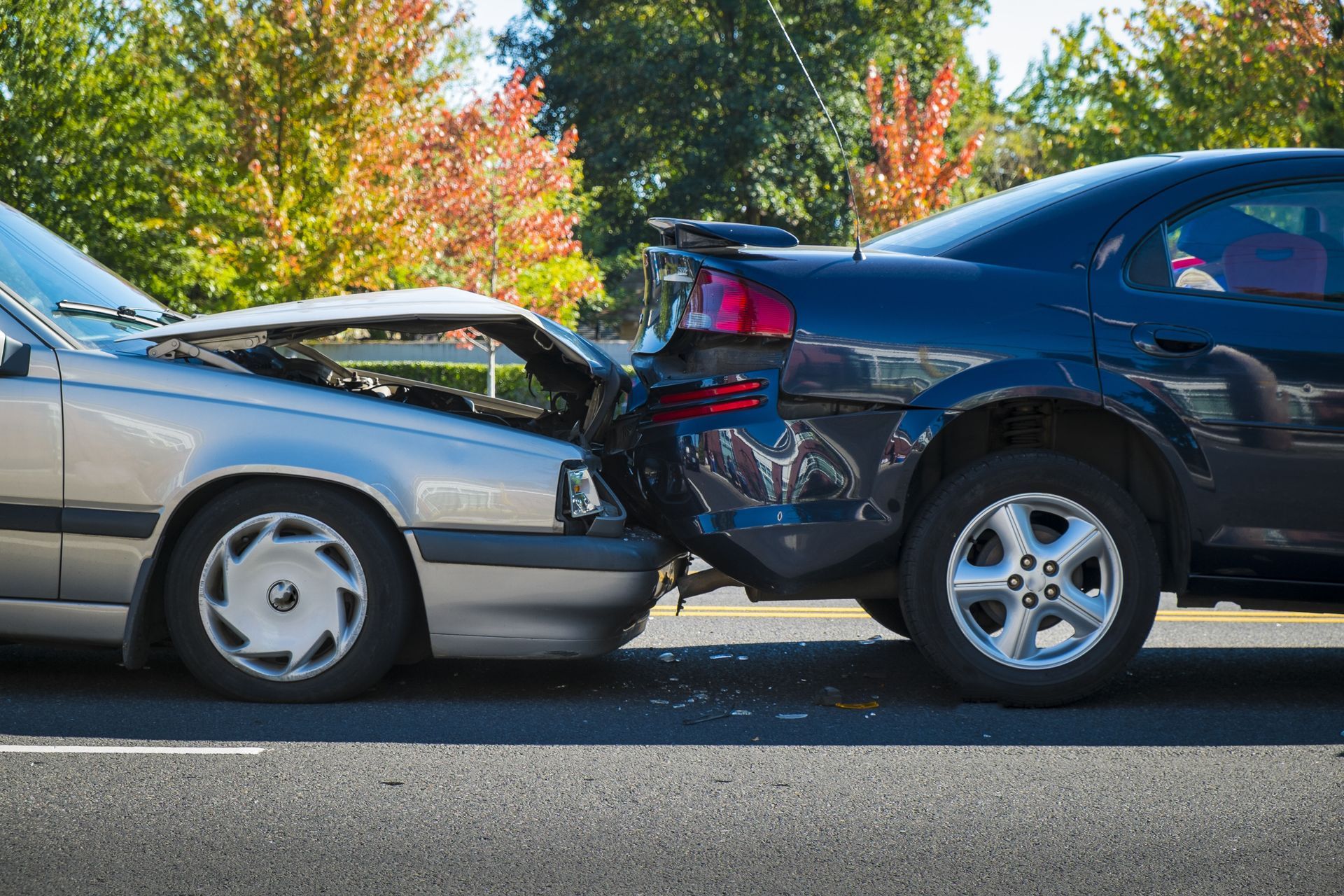
According to Amica Insurance, close to 1.7 million rear-end collisions occur throughout the nation annually, showing how frequently vehicles undergo sudden impact damage. These incidents often cause minor structural shifts or bumper issues. Utilizing timely auto body repair after an accident ensures that the vehicle remains safe, reliable, and fully functional on the road.
In addition to post-accident care, regular maintenance such as washing and waxing significantly reduces risks associated with minor scratches. Installing protective films on high-impact areas like bumpers and hoods shields the exterior paint from road debris, proactively preventing degradation and keeping the vehicle body pristine for a long period of time.
Understanding the details of auto body repair can make a dramatic difference when it comes to maintaining vehicle safety and market value over the years. Minor fender benders, sudden environmental damage, and deep scratches all require precise methods to properly fix. By turning to skilled technicians who use advanced tools and high-quality paint matching, vehicle owners ensure that their cars receive superior care. These specialized procedures do more than just improve appearances. They prevent rust from slowly eating away at the metal frame. Actively addressing small chips and scuffs keeps the vehicle looking pristine while avoiding costly repairs down the road, ensuring every panel remains as strong as the day it was manufactured. A beautifully restored vehicle functions better, remains safe on highways, and holds its financial value over time. For superior results and customer service on your vehicle restoration needs, contact Action Collision Center.