May 27, 2026
Visiting a local auto body shop for the first time can be a daunting experience for many vehicle owners. Understanding the services and processes involved can help alleviate some of the uncertainty. In this guide, we will explore what you can expect when you take your vehicle to an auto body shop for repairs or maintenance.
Auto body shops offer a variety of services that cater to the exterior and structural aspects of a vehicle. These services include everything from collision repair to paint jobs, and it is important to know what each service entails. By being informed, you can ensure that your vehicle receives the best possible care.
In addition to the technical services, auto body shops also emphasize customer service and communication. Navigating the repair process, understanding cost evaluations, and coordinating with insurance providers are all part of the experience. This article will walk you through each of these steps in detail.
1. Initial Consultation
1.1 Scheduling an Appointment
The first step in visiting an auto body shop is scheduling an appointment. This can often be done via phone, online, or even in-person at the shop. Scheduling ensures that the shop can allocate the necessary time and resources to assess your vehicle. It is recommended to provide detailed information about the damage or service needed when making the appointment. This helps the shop prepare any specific tools or parts that may be required.
1.2 Discussing Vehicle Damage
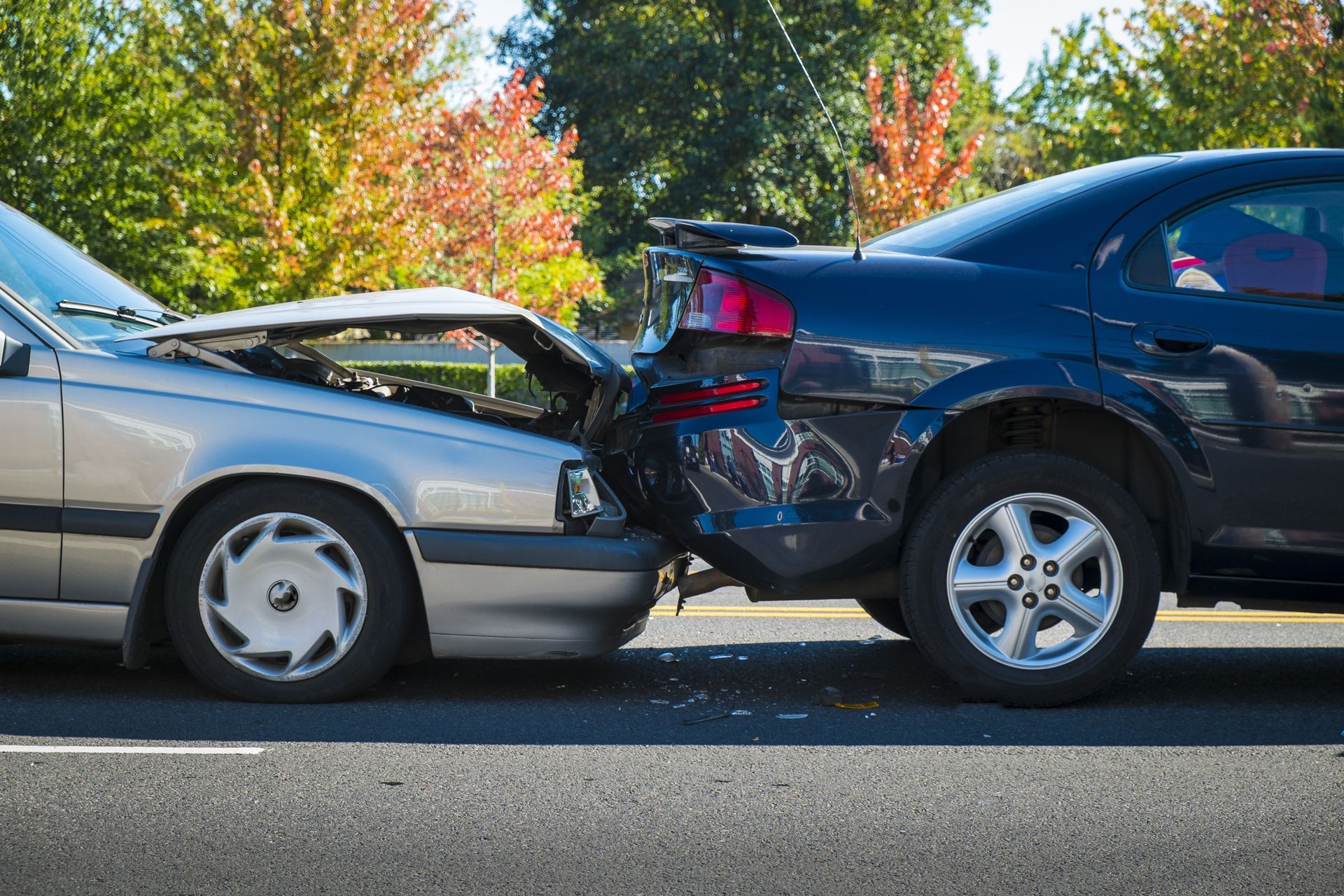
Once at the shop, you will discuss the specifics of your vehicle’s damage with a technician. This conversation is crucial as it sets the stage for the entire repair process. Being clear and concise about the issues you have noticed can aid the technician in diagnosing the problem. Technicians may ask questions to better understand the extent and cause of the damage. This dialogue helps in creating a comprehensive repair plan tailored to your vehicle’s needs.
1.3 Understanding Repair Options
After discussing the damage, the technician will present you with various repair options. Each option may vary in terms of cost, time, and the extent of repair. Understanding these options allows you to make an informed decision that aligns with your budget and expectations. The technician will explain the pros and cons of each method, ensuring you comprehend the implications. This knowledge empowers you to choose a repair strategy that best suits your situation.
1.4 Estimation Process
Following the initial consultation, the shop will provide an estimate for the repairs. This estimate includes a breakdown of the costs for labor, parts, and any additional services. It is important to review the estimate carefully and ask questions if any part is unclear. The estimate serves as a preliminary agreement on the scope and cost of the repairs. Having a clear understanding of this document prevents any unexpected surprises when the final bill arrives.
1.5 Insurance Coordination
If your vehicle repairs are covered by insurance, the shop will assist in coordinating with your insurance provider. This involves submitting the necessary documentation and estimates for approval. The shop’s familiarity with insurance processes can streamline this aspect of the repair. It is beneficial to have your insurance information readily available during the initial consultation. Efficient coordination can expedite the approval and repair process.
2. Assessment and Diagnosis
2.1 Visual Inspection
The assessment and diagnosis phase begins with a visual inspection of the vehicle. Technicians look for obvious signs of damage and wear, assessing both the exterior and interior components. This inspection helps in identifying visible issues that need addressing. A thorough visual inspection is essential in forming an initial understanding of the vehicle’s condition. Technicians use their trained eyes to spot problems that may not be immediately apparent to the untrained eye.
2.2 Diagnostic Tools and Techniques
In addition to visual inspections, auto body shops utilize advanced diagnostic tools to uncover hidden issues. These tools can range from computerized systems to specialized equipment designed for specific vehicle types. The use of diagnostic tools ensures a comprehensive evaluation of the vehicle’s condition. This technology helps identify underlying problems that may not be visible to the naked eye. Accurate diagnosis is crucial for developing an effective repair strategy.
2.3 Identifying Underlying Issues
Once diagnostics are complete, technicians will identify any underlying issues that need attention. These issues may not be immediately related to the initial damage but can affect the vehicle’s overall performance. Addressing these problems during repairs can prevent future complications. Technicians will discuss these findings with you, providing recommendations for additional repairs if necessary. This step ensures that all aspects of the vehicle’s health are considered.
2.4 Cost Evaluation
With a clear understanding of the required repairs, the shop will perform a cost evaluation. This evaluation takes into account the extent of the damage, parts needed, and labor costs. Cost evaluations are essential for providing an accurate repair estimate. It is important to discuss any concerns regarding the cost with the technician. Understanding the cost breakdown helps in budget planning and decision-making.
2.5 Timeframe for Repairs
In addition to cost evaluations, the shop will provide an estimated timeframe for the repairs. The timeframe depends on the complexity of the repairs and the availability of parts. It is important to have realistic expectations regarding the duration of the repair process. The shop will keep you informed of any changes to the schedule as the repairs progress. Knowing the timeframe helps in planning transportation and other logistics during the repair period.
3. Repair Process
3.1 Disassembly and Rebuilding
The repair process often begins with the disassembly of damaged parts. This step allows technicians to access hidden areas and assess the full extent of the damage. Disassembly is a meticulous process that requires careful handling of each component. Once the necessary repairs are made, the vehicle is reassembled with precision. Attention to detail during reassembly ensures that all parts fit correctly and function as intended.
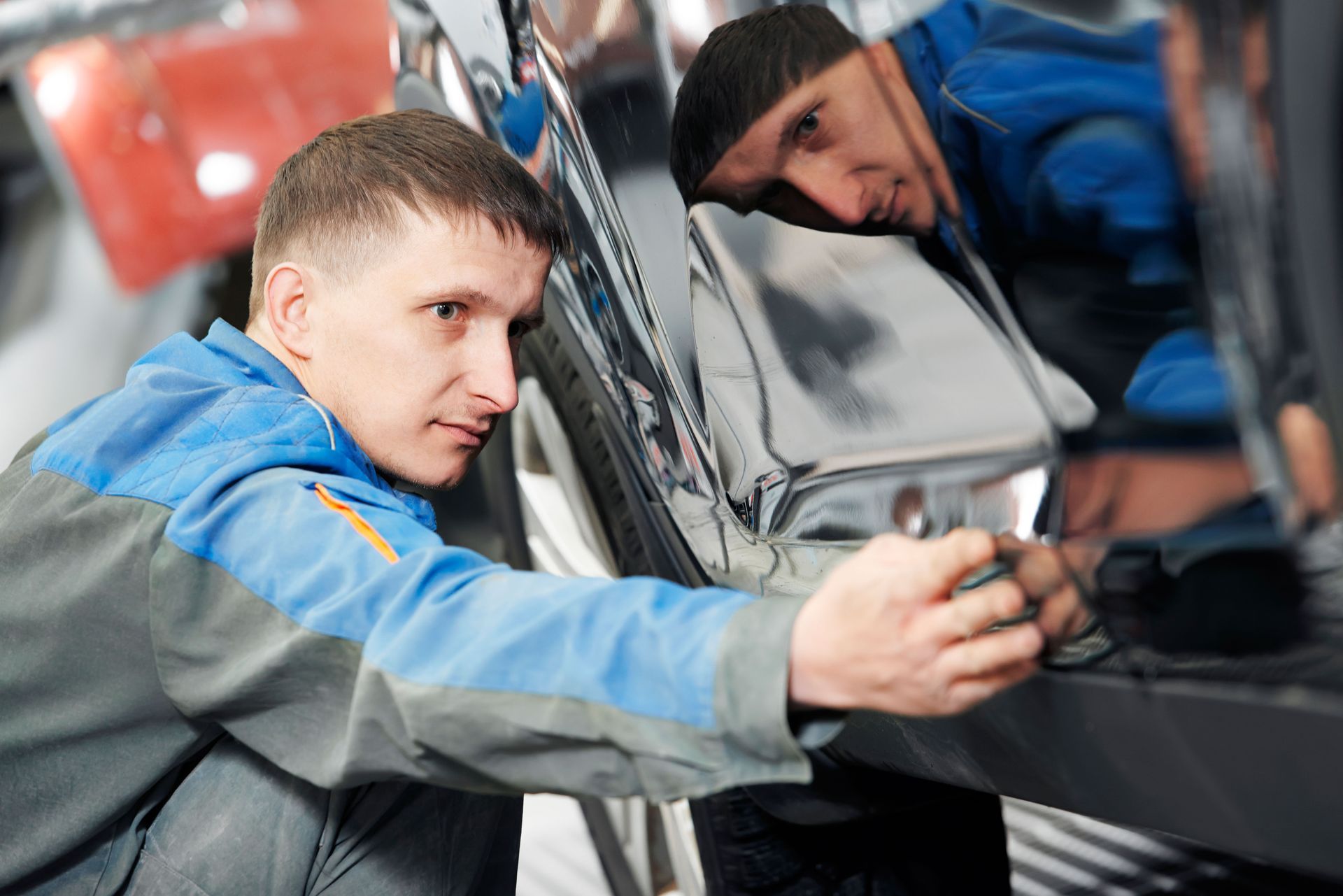
3.2 Body Work and Dent Removal
Body work is a key component of the repair process, focusing on restoring the vehicle’s exterior. This includes tasks such as dent removal, panel replacement, and straightening of frames. Paintless dent removal is a popular technique, expected to reach a market value of $2.5 billion by 2033, according to Verified Market Reports. The technician’s skill in body work determines the quality of the final appearance. Proper body work ensures that the vehicle looks as good as new.
Visiting a local auto body shop involves a series of well-coordinated steps that ensure your vehicle receives the best possible care. From the initial consultation to the final walkthrough, understanding each phase of the process empowers you as a vehicle owner. Being informed about the services, costs, and customer service aspects of the experience can alleviate concerns and enhance satisfaction.
Auto body shops offer a range of services that cater to various repair needs, ensuring the safety and appearance of your vehicle. Whether it is collision repair, paintless dent removal, or detailing, each service plays a crucial role in maintaining your vehicle’s value. Knowing what to expect and being prepared for the associated costs and payment options can make the process seamless and stress-free.
Ultimately, a positive experience at an auto body shop hinges on effective communication, quality workmanship, and transparency. By choosing a reputable shop and being actively involved in the repair process, you can ensure that your vehicle is restored to its optimal condition. Staying informed and proactive in your approach will yield long-term benefits for both you and your vehicle. Be sure to reach out to Action Collision Center to learn more about our professional local auto body shop!